
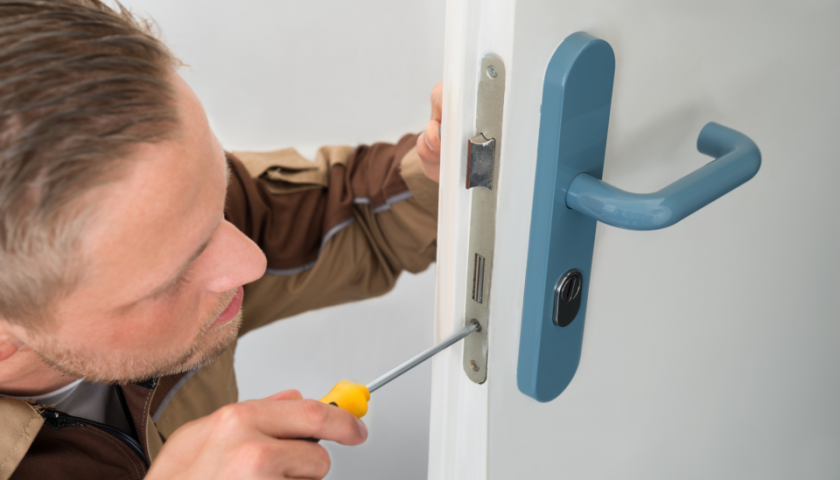
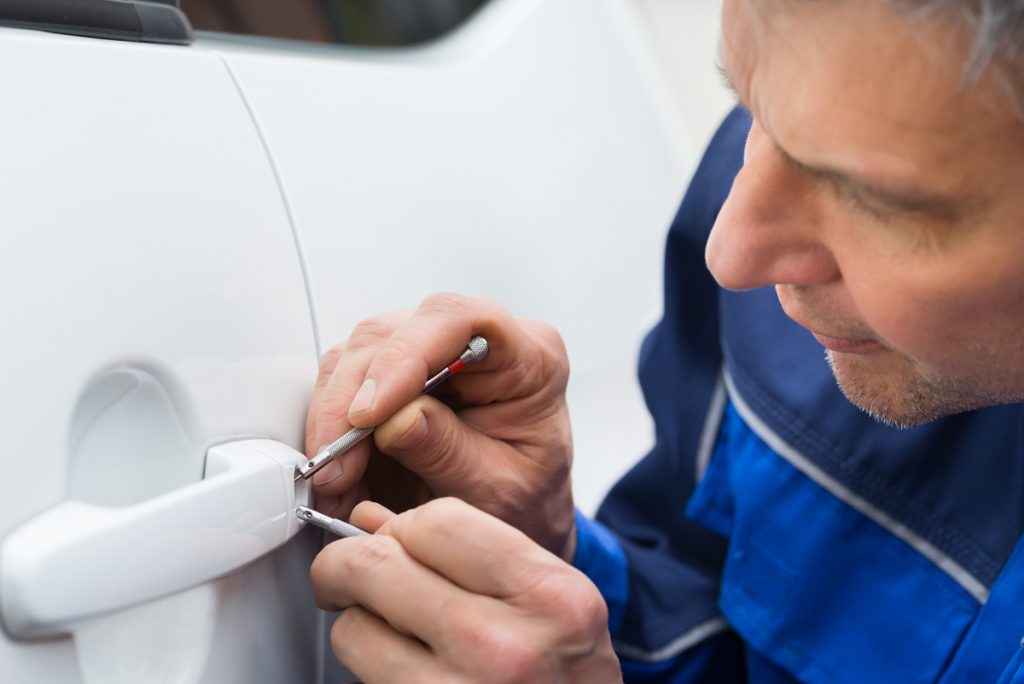
Whether you’re a home owner, business owner or a motorist or qualify for all three there will have been times when you had to call on the services of a local locksmith either a residential or commercial locksmith or an automotive locksmith.

Maybe you’ve lost your keys or bag, locked your keys inside of your car or locked yourself out of your home or office, whichever scenario there is really only one thing that you can done and that’s to get on your phones and call out a professional to help out , in this case a 24 hour emergency locksmith.
Locksmiths however don’t just focus on the emergency side of the industry, they offer lots of useful services from full home or office security checks, key duplication and cutting, lock repairs right through to simply fitting a set of new locks when you’ve moved into a new home or your business has moved into new offices.
Anyone who has called on the services of a locksmith will have noticed how many locksmith there are touting for business and even small towns and rural area will have dozens on companies and independent locksmiths to choose from, but choosing to the wrong locksmith can not only be costly but can be a total waste of time if the locksmith you’ve chosen is not professionally trained.. Not professionally trained! I here you shout, surely all locksmiths must be professionally trained otherwise they shouldn’t be able to tout for business.
Well many people and businesses may be shocked to find out that there are 1000’s of self proclaimed locksmiths operating in to UK that have no professional training and very little skill.
The problem is that apart from voluntary certification the locksmith industry is totally unregulated meaning that anyone can set up as a locksmith and start touting for work, completely legally and without repercussions of any kind.
What is the difference between a professional and an amateur locksmith?
A professional locksmith will have undergone face to face training at a specialist locksmith training centre and when we say training we mean participation in an in-depth locksmith training course that’s on the official Ofqual Register of Regulated Qualifications that contains both written and practical parts and run over 6 to 12 months, you know like most proper industry qualifications and not some 3 days crash course you see advertised by training centres (members clubs) such as MLA Locksmiths, I mean what do you expect to learn in 3 days? An entire trade? Can you? If you can that’s fantastic… You can learn to be a locksmith one week, a plumber the week after, a plasterer the week after that and an electrician the week after that and so on, and eventually you’ll be competent in all trades and won’t need to call out a locksmith, plumber, electrician or plasterer ever again, sounds great right? Of course not, it’s nonsense.
Proper in-depth, regulated courses will be hands on courses where students are shown a range of techniques including non destructive entry methods for standard locks and vehicle locks.
An amateur locksmith will have done a 3 or 5 day course, watched a few online videos or took an online locksmith training course – there are number of these cheap online courses around, all of them are very poor quality courses simply designed to cash in on the growing locksmith industry. The attraction is that they are a lot cheaper than the genuine Ofqual regulated locksmith training courses.
An amateur locksmiths tool bag will have very few tools, the favourite tools of the amateur locksmith is the trusty old drill and hammer anyway which come out for most jobs.
So how does the service differ between an amateur and a professional?
As mentioned previously the professional locksmith will have been trained to gain access via a number of non destructive methods such as manual lock picking or through the use of specialist lock picking equipment, whereas an amateur locksmith will usually use a drill at the outset or even a hammer and a chisel regardless of the issue and whether it can be remedied without destruction of the lock.
Some people have reported that their locksmith had totally destroyed their lock, their door and even their doorframe on some occasions simply by drilling and hammering away not really knowing what they are doing. The saddest thing is that when they have destroyed your door, lock or doorframe they’ll hold out their hand for payment.
How does pricing differ between an amateur and a professional locksmith?
You’d think that an amateur “have ago” locksmith would be cheaper than a professional, but this is rarely the case as has been report online time and time again.
The amateur locksmith will usually get by with one off jobs, rather than building up a reputation and working off referrals or repeat work, so they will try to get as much money out of you as possible by sneakily adding on made up charges such a call out fee, night rate, fuel charge, admin fee etc and some online reports have shown amateur locksmiths charging up to 10 times the going rate turning a quick £50 access job into a staggeringly high £500 callout.
These dodgy locksmiths will rarely have their own website, otherwise their dubious practices would be exposed online and they would end up with masses of bad reviews and end up being outed on social media.
What they do is they sign up with one of the national locksmith call centres – another business model ruining the reputation of traditional independent locksmiths – If you don’t know how these call centre operate there is great article about them and their questionable business model here.
Amateur locksmith’s use these call centres to retain anonymity, you contact a call centre and they contact a locksmith of your behalf, you’re never aware of who they are sending and they generally show up in an unmarked van or car… It’s common knowledge that professional, independent locksmiths do not sign up with these call centres.
A professional independent locksmith will charge a reasonable price for their locksmith services, after all they’ll want to build up a solid reputation in the local area, get work via referrals and receive positive feedback from their customers.
They will usually have their own small website, Facebook page and Google business page showing genuine reviews from genuine customers.
Summary
I hope this short article helps you to avoid being taken for a ride by Amateur “have a go” locksmiths and dodgy locksmith call centres, as a rule of thumb if you don’t have any information about the locksmith you have entrusted to work on your home, office or vehicle then you shouldn’t use them.